
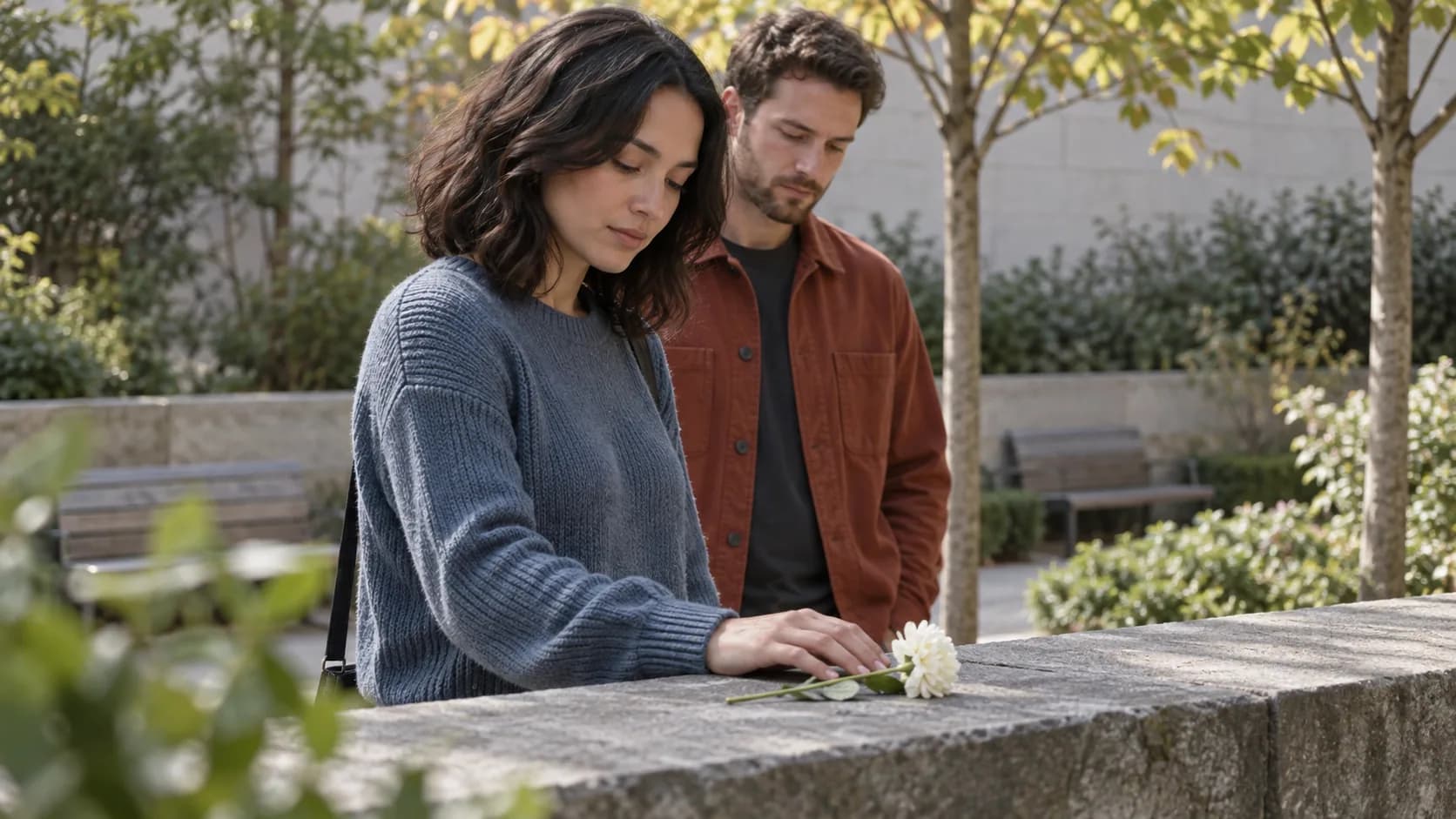
Remembering does not feel the same for everyone
The September 11 Memorial & Museum marks the twenty-fifth anniversary today. The people who died, their families and those whose lives were changed remain the reason for the commemoration. There is no single feeling that everyone owes the day.
For some people, an anniversary is an occasion to gather and remember. For others, the coverage is difficult to watch. Someone else may be thinking about a loss that has nothing to do with September 11. A public anniversary can also raise a private question: what do I do with feelings I would rather not have tonight?
The VA National Center for PTSD explains that anniversary reminders can bring back distress years after a traumatic event. Reactions differ. That information does not mean that everyone who finds a date painful has PTSD, or that a hard anniversary will lead to drinking or drug use.
When comfort starts to mean alcohol or drugs
There is a difference between remembering someone and wanting relief from the feelings that come with remembering. It is possible to want both. You might want to watch the ceremony and find yourself thinking about a drink afterward. You might turn off the television and still feel restless, angry or alone.
In its information about PTSD and substance use, the VA describes how some people use alcohol or drugs to manage distress, and how that can worsen symptoms. That is a description of a recognized problem, not an explanation of every person's drinking or using. It is a reason to take the urge seriously without deciding that it defines you.
Our view is that a recovery resource should be useful at this point: before someone has a polished explanation, and before they are sure whether the evening counts as a crisis. A person can ask for help while the question is still, ‘I keep thinking about using, and I don't want to be alone with it.’
Make the request specific
Consider sending a message that says what would help: ‘Today has brought a lot back. I'm thinking about drinking. Can you call me and stay on for a while?’ If you have a peer, counselor or recovery contact, this is a reasonable thing to bring to them. You can ask for listening without asking the other person to solve the loss.
You can also choose how much coverage to take in. Reading a name, attending a gathering or remembering privately does not require watching every replay. SAMHSA's coping guidance includes limiting distressing news exposure and connecting with supportive people. Decide what you want the next hour to contain: a phone call, time with someone, or a familiar place where support is available.
If you need something shorter than this article, open the guide to a craving at 11 p.m.. It is written for the immediate question. You do not need to finish a longer piece before contacting someone.
If you have already drunk or used
You can still ask for help. Be direct with a trusted person or your care team about what happened and what you need now. Our guide, What should I do if I drink or use again?, separates immediate safety from the questions to work through afterward. Reading is not a substitute for urgent care.
If there is a possible overdose or immediate danger, call 911. In the United States, you can call or text 988 for crisis support, including emotional distress. You do not have to be certain what label fits before reaching out.
We are thinking about this on September 11 because remembrance can include people who are struggling right now. Checking on someone can be as plain as asking how their evening is going, listening to the answer and making room for an honest one. There is no need to turn their grief into a lesson or ask them to prove that they are coping well.
About this article
Matthew Alaimo is the founder of SoberSphere.
This article combines publicly available information with our editorial perspective; sources are linked where discussed. It has not received independent medical review and is not medical or legal advice. Ask a qualified professional about your circumstances. No treatment provider paid for or sponsored this article. Images are AI-generated illustrations, not photographs of the people or events discussed.
Read our editorial approach →