
Separate the amounts on the statement
Copy each listed charge using the office's wording. A fine, a fee, restitution and a collection charge may appear together, but the label matters when asking about payment or possible relief.
The Department of Justice explains federal restitution as reimbursement for victims' crime-related financial losses. That is a different purpose from a general court fee. State rules and the actual order determine what applies in your case.
If an abbreviation is unclear, ask the issuing office to explain it. Do not replace an unfamiliar category with a guess that later affects the request you make.
Reconcile the balance with your records
Request an itemized balance showing charges, payments and any adjustments. Compare it with receipts and the latest order.
If a payment is missing, give the date, amount and confirmation information through the office's appropriate route. Ask where it was applied and whether another case or account was credited by mistake.
Keep a disputed amount visibly disputed until it is resolved. Do not mark it paid because you have sent evidence, and do not discard the original receipt after making the inquiry.
Confirm the actual payment obligation
Find out which office receives payment, what reference identifies the case and when the payment must be received. Use verified official information, such as contacts found through USA.gov's court directory.
Ask whether the statement is showing a total balance, a currently due installment or both. Those figures answer different questions. Record any service charge attached to a payment method before using it.
If another person helps, make sure they use the correct reference and provide the receipt. Their payment should not require you to give them unnecessary access to other accounts.
Ask about affordability through the proper process
Explain your actual income, necessary expenses and the amount you cannot meet. Ask what procedure exists for your particular charge and case.
For a clearly limited example, California Courts describes affordability requests for traffic and other infractions. That does not establish that criminal restitution can be reduced or that another state's process is the same.
Before submitting a form, understand whether it affects a plea, a hearing option or another right. Get appropriate legal advice rather than treating a payment-assistance form as a purely financial transaction.
Keep the decision and the next date together
A request is not an approval. Save the resulting order or written decision, update the schedule and verify what remains due.
If no option has been approved, contact your lawyer or the responsible office about the unresolved obligation. Do not assume a partial payment prevents enforcement or changes a deadline.
Finish with a usable record: the type of amount, current balance, next required action, deadline and source of the instruction. Review it whenever a new statement arrives so a clerical discrepancy or changed requirement is addressed while the relevant records are still easy to find.
About this guide
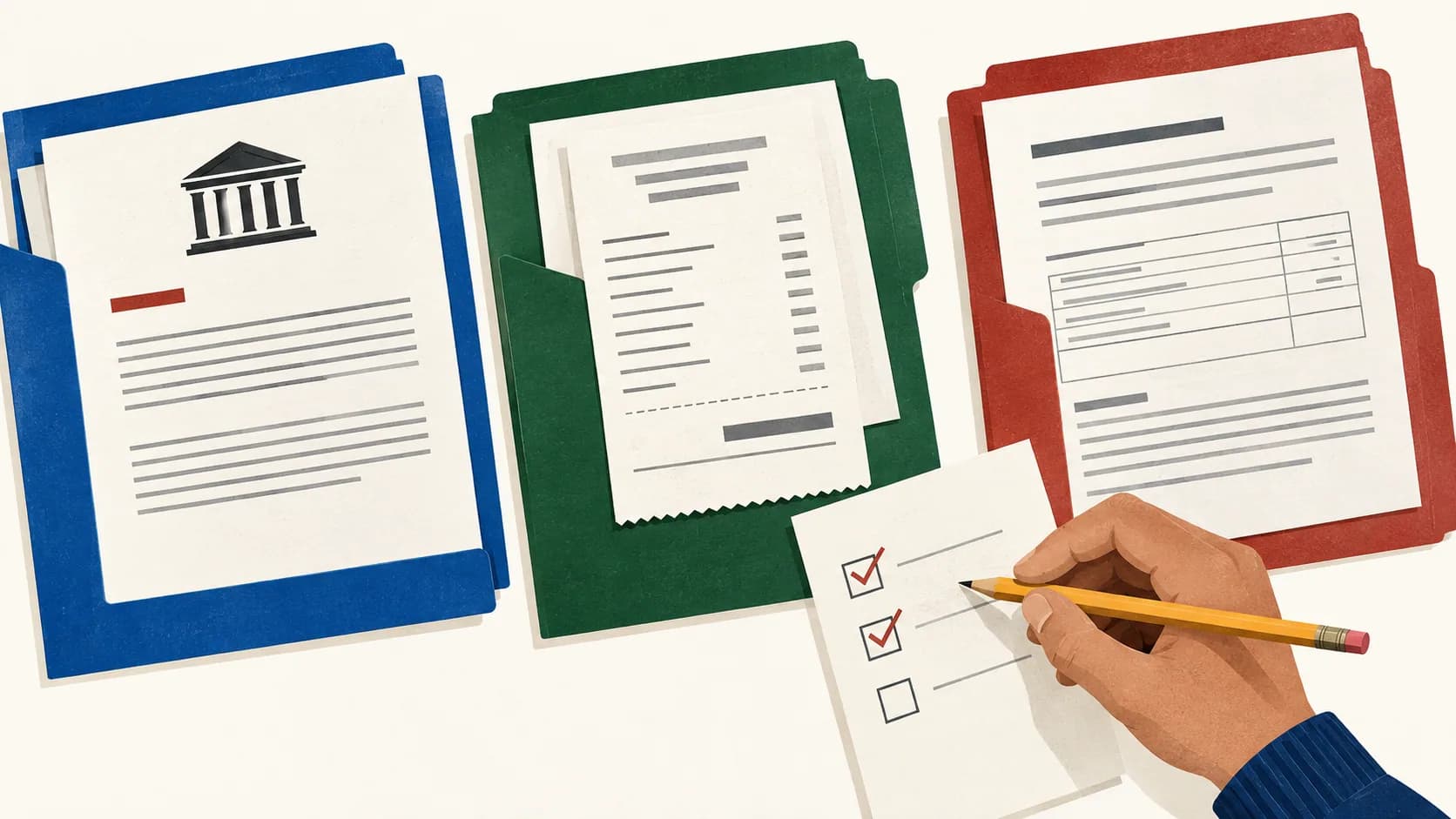
AI-generated editorial image; it does not depict a real person or event discussed in this guide.
Examples in this guide are illustrative, not reported experiences.
SoberSphere provides independent general information, not individual medical, legal or financial advice. No provider referral, affiliate arrangement or specialist review is claimed.