If someone may be overdosing now
Call 911. NIDA's naloxone page lists signs of an opioid overdose, including being unresponsive, very small pupils, slow or shallow breathing, faint heartbeat, and pale skin or purple lips and fingernails. Give naloxone if you have it, following the instructions on the package, and stay with the person. NIDA says to call 911 even when naloxone has been given.
Why the risk can rise after treatment
During treatment or any period without opioids, the body loses some of its tolerance. NIDA's treatment overview explains that if a person then uses as much as they did before stopping, they can more easily overdose, because their body is no longer used to that level. NIDA's page on treatment and recovery describes a return to use with opioids as potentially very dangerous, even deadly, for this reason.
That risk exists whether someone finishes a program, leaves early or goes through withdrawal on their own. It does not mean the person will use again. It means that if they do, the first time can be more dangerous than it would have been before.
NIDA also notes that some opioids are strong enough to need more than one dose of naloxone.
What naloxone is and does
NIDA describes naloxone as a medicine that rapidly reverses an opioid overdose. It comes as a nasal spray or an injection, and NIDA notes that the nasal spray can be easier for people without formal training to use.
Naloxone only works on opioids. NIDA says it has no effect on someone who does not have opioids in their system, and will not reverse an overdose from drugs such as cocaine or methamphetamine alone. It is also not a treatment for opioid use disorder.
NIDA explains that naloxone works for only 30 to 90 minutes, which can be shorter than the effects of the opioid. That is why someone who has been given naloxone still needs emergency care; NIDA says they should be monitored for another two hours after the last dose.
When naloxone reverses an overdose, the person may go into sudden withdrawal. NIDA says this is uncomfortable but usually not life-threatening.
Getting naloxone
NIDA's page, from 2022, says that in some states a pharmacist can provide naloxone without a doctor's prescription, and that community distribution programs, public health groups and local health departments may offer it free. Check with a pharmacy about current availability. If you have insurance, ask whether it is covered.
ASAM's patient guide on opioid treatment says a clinician treating opioid addiction should also provide a naloxone prescription for the patient and their family. Before someone leaves treatment, ask the program whether naloxone will be provided or prescribed.
Talking about it without making it an accusation
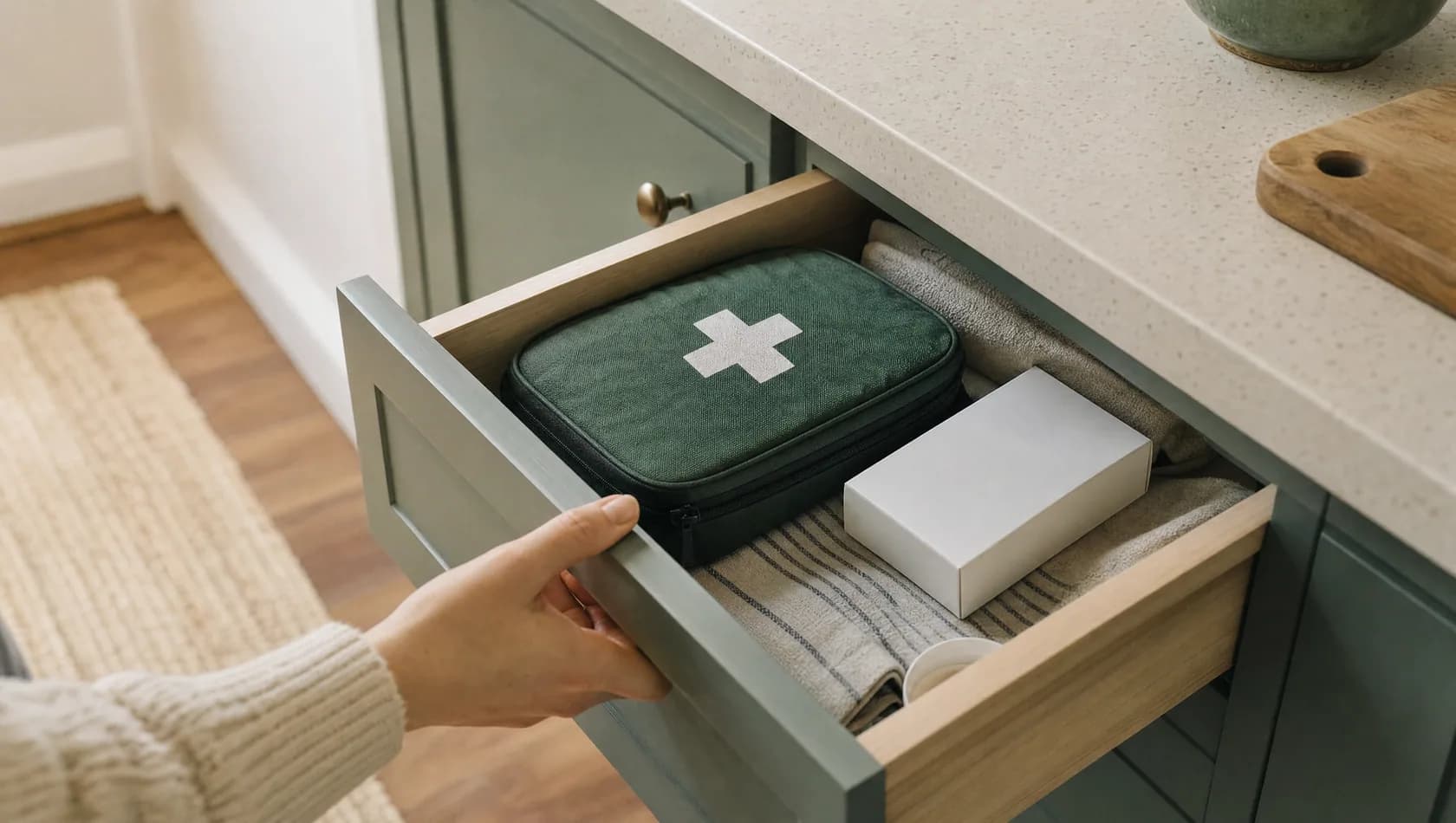
You may worry that raising naloxone will sound as if you expect them to fail. You can frame it as ordinary safety, like keeping a first aid kit: “I've got naloxone at home. I'm not expecting anything to happen. I'd just rather have it and know how to use it.”
NIDA suggests families ask their loved one to carry naloxone and let friends know where it is. Agree where it will be kept at home, and make sure the people who live there or visit often know too.
Learn how to use it before you need it
Read the instructions on the package when you get it, not in an emergency. You can ask a pharmacist or the treatment program to show you how it works. Check the expiration date and replace naloxone that has expired or been used.
ASAM's guide lists steps that include calling 911, rescue breathing, placing the person in the recovery position and staying with them. It also lists things not to do, such as slapping the person, putting them in a cold bath or trying to make them vomit.
After treatment, keep the conversation open
Naloxone is one part of staying safe after treatment. The other part is making sure the person has support and a plan for what to do if cravings return. If they use again, safety comes first, and then help reconnecting with care. The guide on whether a return to use means treatment failed covers what can happen next.
Activities from this guide
Your checklist
Read the steps now. A free account lets you save your own checklist.
- 1. Keep naloxone where people can find it
- 2. Read the instructions before you need them
- 3. Ask the program whether naloxone will be prescribed
About this guide
AI-generated editorial image; it does not depict a real person or event discussed in this guide.
Examples in this guide are illustrative, not reported experiences.
SoberSphere provides independent general information, not individual medical, legal or financial advice. No provider referral, affiliate arrangement or specialist review is claimed.