
Confirm the kind of visit
Ask whether you are attending an assessment, starting scheduled outpatient care or being admitted overnight. Confirm the expected duration and whether you need transport home. This determines whether you need appointment information or also clothing and personal items for a stay.
NIAAA recommends clarifying a program’s expectations and services. Ask for instructions from the actual service, with a contact who can answer exceptions. A list from another program may be misleading even if the settings sound similar.
Prepare necessary information
Bring or have access to the appointment details, identification or coverage information the service requests and a current medication list. Include prescribed, over-the-counter and supplement products when relevant to clinical review. If you cannot produce a requested document, ask what alternative or next step is accepted.
Keep any forms or records organized by purpose rather than carrying every document you own. Ask whether the provider already has records sent earlier and whether you need a copy. Protect sensitive material during travel and in any shared storage.
A short note of questions can help if the first visit involves a lot of information. Put the issues that affect safety or access near the top.
Ask specifically about medicines and equipment
Contact the program about bringing actual medicines, packaging and any medical equipment. Explain storage or timing requirements and ask who will manage them on arrival. Do not transfer medicines into unlabelled containers or change doses to fit an assumed policy.
If the program’s instruction appears to conflict with existing care, ask the clinical team to resolve it before relying on a plan. An admissions packing rule and a prescribing decision are different matters.
Include access aids you need and ask about their use and safe storage. Do not assume a service supplies a replacement for an item you rely on unless it has confirmed that arrangement.
For an overnight stay, check ordinary daily needs
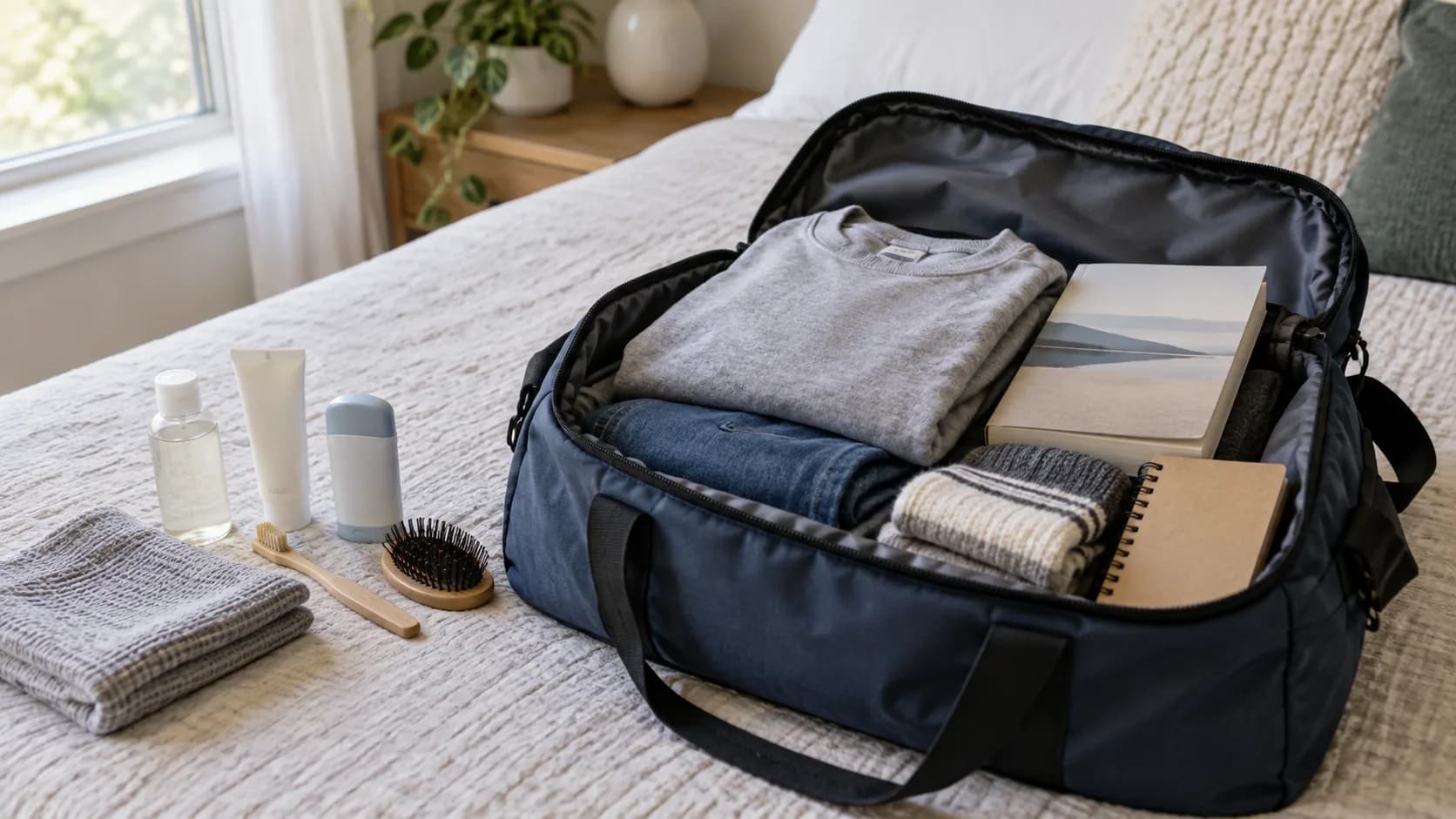
Ask about suitable clothing, laundry, toiletries, bedding and any restrictions on personal products. Find out what is provided and what you are expected to supply. If cost is a barrier, say so before buying a long list of items.
Check phone, charger, computer, reading-material and visitor rules where relevant. A device you normally use for work, communication or accessibility may need a specific discussion. Ask how essential outside contact will work if ordinary device use is limited.
Avoid bringing valuables or large amounts of cash without understanding storage and responsibility. Ask what happens to items the program cannot accept and whether someone can take them home.
Pack for arrival as well as the stay
Keep immediate information and essential items accessible instead of buried in a bag. Confirm arrival time, entrance and the person to contact if transport is delayed. If someone accompanies you, clarify whether they can remain during intake or need to leave after the handoff.
Check the return or onward plan if the visit does not result in admission that day. Do not assume a booked assessment guarantees an overnight place.
Before leaving, compare your preparation with the actual instructions and unresolved questions. The useful outcome is safe access to the items and information your visit requires, not a perfectly packed bag or a collection of purchases you may not need.
About this guide
AI-generated editorial image; it does not depict a real person or event discussed in this guide.
Examples in this guide are illustrative, not reported experiences.
SoberSphere provides independent general information, not individual medical, legal or financial advice. No provider referral, affiliate arrangement or specialist review is claimed.