
Begin with the experience you want
You might want time outside, a shared activity, a change from sitting or the chance to learn a skill. Naming that purpose helps you choose between options that look similar on an exercise list. Someone seeking company may prefer a group; someone wanting quiet may prefer a suitable activity alone.
CDC describes physical activity in several settings, including home, community and gym environments. It also notes that the effort involved depends on the person’s fitness and health. An activity another person calls easy may not be easy for you.
Do not choose solely by calorie estimates or another person’s results. The first practical question is whether the activity suits the experience and conditions you are looking for.
Check the constraints before the equipment
List available time, money, space and transport. Include access to a bathroom, changing facilities or a place to keep belongings if these matter. A free activity across town may still involve a fare or a journey you cannot manage.
If you are considering outdoor movement, check the actual route, conditions and whether it suits your access needs. If you are considering something at home, check space and equipment instructions. Do not assume any chair, doorway or household object is safe exercise equipment.
Look first at what is already available to you. Buying supplies can wait until you know the activity is usable and that any required equipment is appropriate.
Match the starting point to your circumstances
Choose a version you understand and can do safely. If a health condition, injury, disability or recent change creates uncertainty, ask a qualified clinician or activity professional about suitable adaptations. Bring the actual activity you are considering so the answer can be specific.
CDC advises considering your health and abilities when selecting activity, and discussing an increase with a doctor when relevant to chronic disease. General activity guidance is not an individualized rehabilitation plan. Follow your own care instructions where they apply.
Avoid turning the first attempt into a test of endurance. Decide what you want to learn about access, comfort and enjoyment rather than committing to match someone else’s pace.
Make a trial arrangement
For example, a person interested in social movement might ask a community class whether a beginner can attend once, take breaks and use an adapted version. Another person might investigate a familiar accessible route at a manageable time. The useful step is checking the real arrangement before making it a recurring commitment.
Put the attempt into a day that can accommodate getting there and returning. If you invite someone, clarify whether you want company, instruction or practical help; these are different requests.
Review the whole experience
Consider whether the activity was accessible, whether the pace or instruction suited you and how it affected the rest of your day. If it created pain or a concerning symptom, seek appropriate advice instead of automatically repeating it to improve your performance.
If the main problem was logistics, change those first. A different time or venue may solve a travel problem without changing the activity itself. If you did not enjoy it, you can investigate something else without buying a new identity around exercise.
Choose whether to repeat, adapt or stop based on what you learned. A useful movement plan fits the life you have and remains open to change as your health, interests and responsibilities change.
About this guide
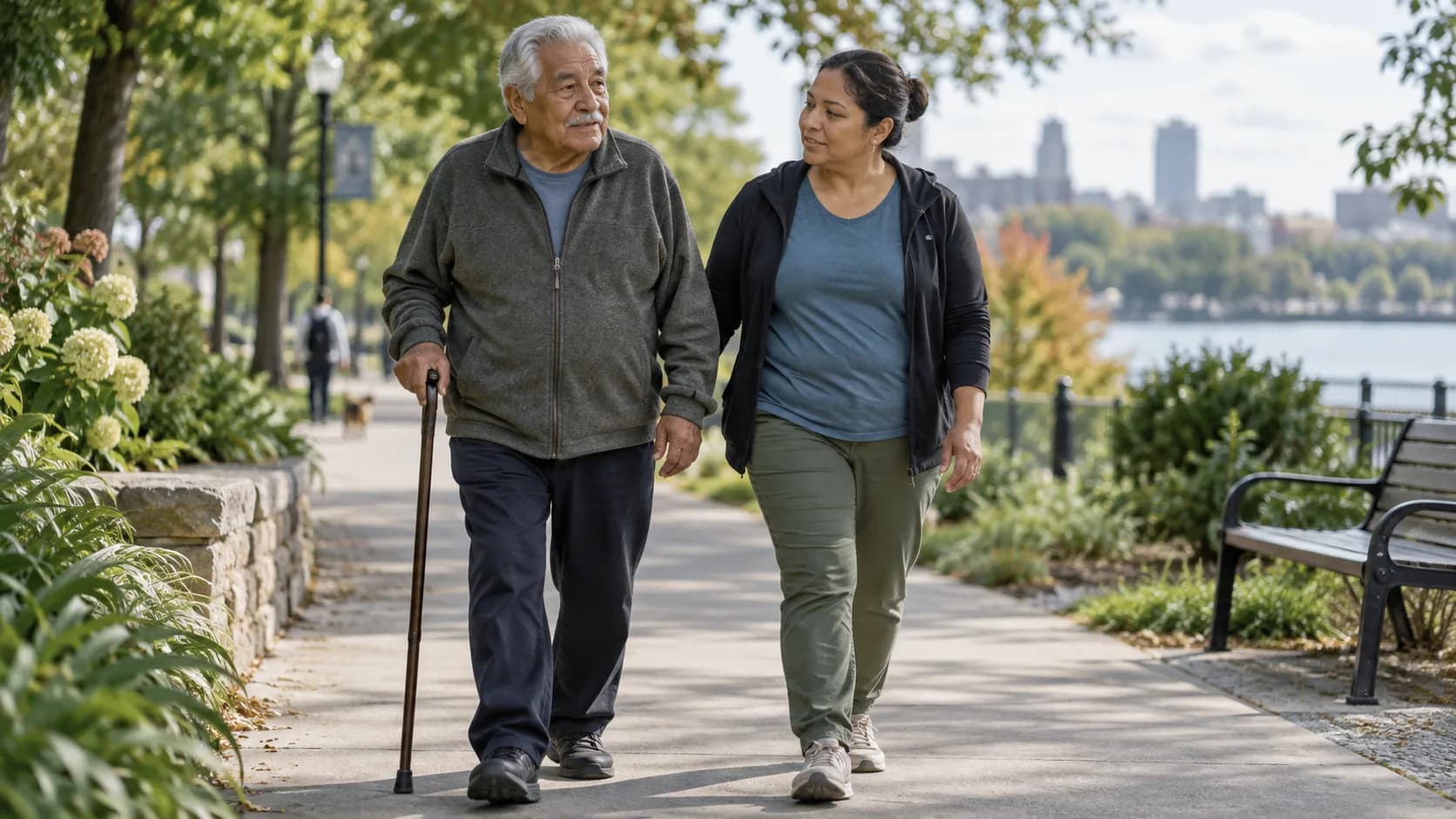
AI-generated editorial image; it does not depict a real person or event discussed in this guide.
Examples in this guide are illustrative, not reported experiences.
SoberSphere provides independent general information, not individual medical, legal or financial advice. No provider referral, affiliate arrangement or specialist review is claimed.