
Check the property before choosing equipment
CDC recommends checking state and local rules before buying poultry. Contact the authority responsible for the address and ask where the current written requirements are published.
Investigate whether chickens are allowed, permitted numbers, rooster restrictions and requirements for structures or placement. Also check tenancy or association conditions if they apply. Permission for a shed does not by itself establish permission to keep animals in it.
Record who answered, the date and the relevant rule or written permission. If an answer is uncertain, keep that as an unresolved condition rather than treating silence as approval.
Describe a normal day with the birds
Write out morning and evening access, food and water checks, cleaning and other care appropriate to the flock. Include bad weather, workdays and times when you are away.
University of Minnesota Extension's small-scale poultry resources cover care, housing, disease prevention and predator concerns. Use qualified local advice to establish the needs of the birds you are considering; a kit's product description is not a complete care plan.
Ask a potential backup caregiver for a definite commitment and discuss the actual duties. “Someone could probably feed them” leaves the animals' care unresolved. Include what happens if both the usual and backup person are unavailable.
Evaluate the site as a working space
Consider access to water, feed storage, cleaning, waste handling and the space needed for suitable housing and outdoor arrangements. Think about whether you can reach and maintain the area in the conditions your location experiences.
A small advertised footprint may describe the structure without accounting for access or other necessary space. Compare a proposed setup with verified care and property requirements before deciding that it fits.
Identify local veterinary or agricultural help for flock-health questions. Do not add improvised electrical heating, structural changes or medication instructions to a beginner plan; those need appropriate expertise.
Include household hygiene in feasibility
CDC advises keeping poultry and their equipment outside living and food areas, washing hands after contact and preventing children under five from handling poultry. Ask about relevant precautions if someone in the household is at increased risk from animal-associated germs.
Plan where outdoor equipment cleaning and handwashing will happen. If the only available arrangement involves bringing birds or dirty equipment into a kitchen, the setup needs revision before purchase.
This is part of deciding whether the project fits the household, not something to solve after birds arrive.
Price the ongoing responsibility
List the housing and secure enclosure, feeders and waterers, feed, bedding, repairs, waste arrangements and veterinary care. Add any required permits or professional installation.
Separate initial purchases from recurring expenses and keep unconfirmed amounts marked as estimates. Include transport or delivery if supplies cannot be carried home easily.
Do not assume eggs will cover the costs. The decision should remain workable even when production is lower than hoped or an unexpected care expense arises.
Make a clear decision
Choose yes, no or later, with the reason written beside it. “Later, because no backup care is available” is a complete result, not an unfinished build.
If continuing, the next work is a properly specified housing and care plan checked against local requirements before buying animals. If ownership does not fit, learning through an appropriate supervised activity or choosing a smaller project may better match your time and resources. The purpose is to decide responsibly before taking on living animals whose needs continue beyond the appeal of the initial project.
Activities from this guide
Your checklist
Read the steps now. A free account lets you save your own checklist.
- 1. Find current property rules
- 2. List daily care and backup arrangements
- 3. List full setup and ongoing costs
- 4. Make a yes, no or later decision
About this guide
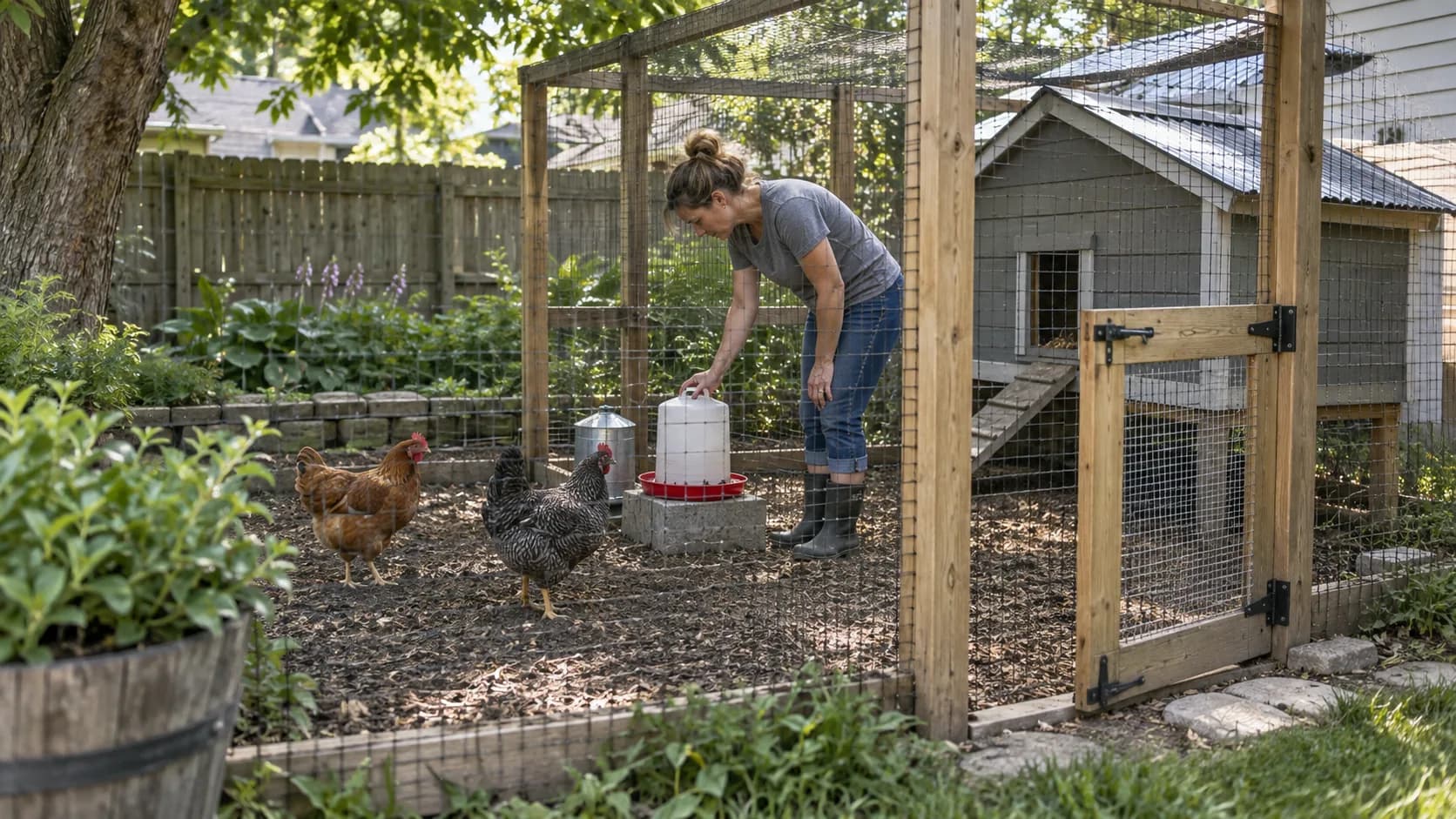
AI-generated editorial image; it does not depict a real person or event discussed in this guide.
Examples in this guide are illustrative, not reported experiences.
SoberSphere provides independent general information, not individual medical, legal or financial advice. No provider referral, affiliate arrangement or specialist review is claimed.